
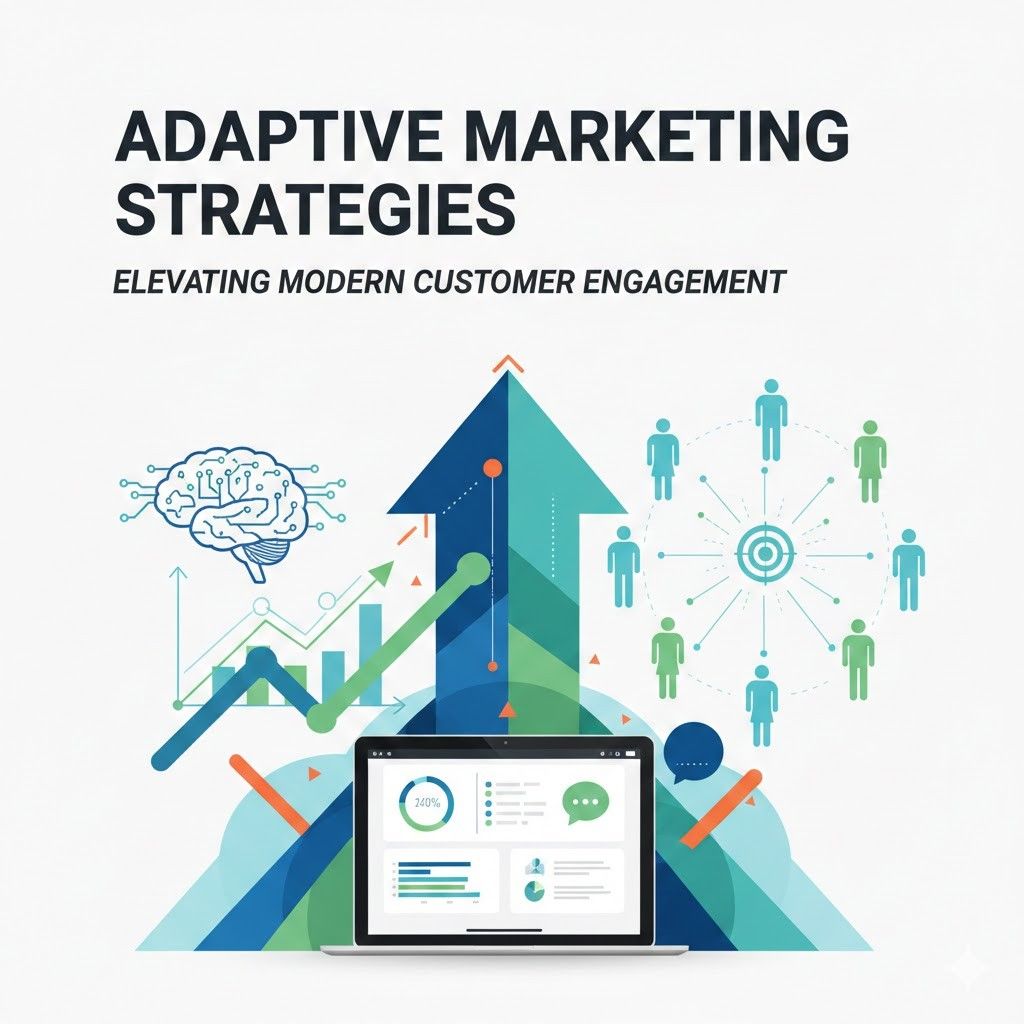
Customer behavior evolves faster than ever. New platforms rise quickly, trends shift overnight, and user expectations continue to grow. Traditional, one-direction marketing methods are no longer enough to keep customers engaged. That’s why modern brands rely on adaptive marketing—an approach built on flexibility, real-time data, and continuous adjustment. It helps businesses stay relevant, deliver timely messages, and keep users connected across their entire digital journey.
Adaptive marketing allows brands to evolve with their audience rather than behind them. Companies working with experienced digital partners like Marvel Web Solution use this approach to create seamless, personalized experiences that increase engagement and strengthen customer relationships.
Understanding the Need for Adaptive Marketing
Today’s customers expect personalized recommendations, fast responses, and content that fits their interests. They switch platforms frequently, skip irrelevant ads, and ignore generic messages. Adaptive marketing helps brands respond to these expectations by allowing them to update, refine, and optimize their strategies based on live user behavior.
Instead of using a fixed plan, adaptive marketing encourages ongoing analysis, giving businesses the ability to adjust campaigns instantly and deliver messages that truly resonate.
Leveraging Real-Time Data for Smarter Decisions
Real-time data plays a crucial role in adaptive marketing. Businesses monitor clicks, browsing behavior, purchase patterns, and engagement signals to understand what users want in the moment. This helps marketers identify what’s working and what needs improvement.
When a campaign underperforms, it can be adjusted quickly. When a trend appears, content can be updated immediately. This real-time decision-making keeps customer engagement high and ensures the brand never feels outdated.
Personalization That Feels Natural and Relevant
One of the biggest strengths of adaptive marketing is personalized messaging. Instead of sending the same text to everyone, businesses use data to tailor content, offers, and recommendations based on individual needs.
Adaptive personalization may include:
Personalized product suggestions
Customized email flows
Website content that changes by user behavior
Special offers based on past actions
When customers feel understood, they engage more, stay longer, and convert at a higher rate.
Multi-Channel Flexibility Enhancing User Experience
Customers interact with brands across multiple platforms—from social media and email to websites and mobile apps. Adaptive marketing ensures each message is designed for the platform where it appears. A social post, for example, may use short visuals, while an email might include more explanation.
This flexibility keeps the user experience smooth and consistent everywhere, creating better engagement and stronger brand recall.
Testing, Learning, and Refining for Continuous Improvement
Adaptive marketing depends on constant experimentation. Through A/B testing, brands compare different versions of headlines, images, layouts, or CTAs to see which performs better. This feedback helps refine campaigns and removes guesswork entirely.
Over time, these insights help businesses discover what resonates with their audience, ensuring each message is optimized for maximum engagement.
Responding Quickly to Market Shifts
Digital trends change rapidly. A topic that is relevant today may be outdated tomorrow. Adaptive marketing gives brands the ability to respond quickly to these shifts. Whether it’s a trending conversation, a seasonal change, or a shift in platform algorithms, adaptive brands can adjust their content instantly.
This quick response keeps the brand visible, relevant, and connected with modern customer expectations.
Building Longer, Stronger Customer Relationships
Adaptive marketing focuses on long-term engagement instead of one-time conversions. By delivering content that evolves with the customer, brands build trust and maintain meaningful relationships. When users feel that a business consistently understands their interests, they return more often and stay loyal longer.
Companies that adopt adaptive strategies—especially with guidance from experts like Marvel Web Solution—benefit from higher engagement, better retention, and improved customer satisfaction.
Final Thoughts
Adaptive marketing is essential in today’s fast-paced digital environment. By using real-time data, personalization, multi-channel flexibility, and ongoing optimization, brands can create stronger connections and elevate customer engagement. As customer expectations continue to rise, adaptive marketing ensures that businesses remain relevant, responsive, and ready for the future.